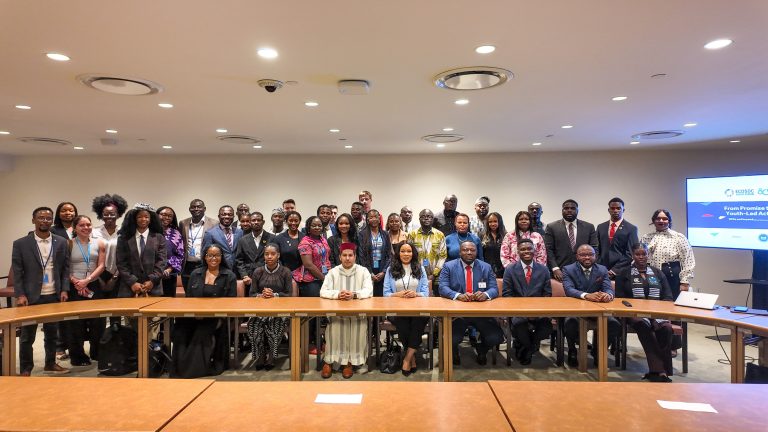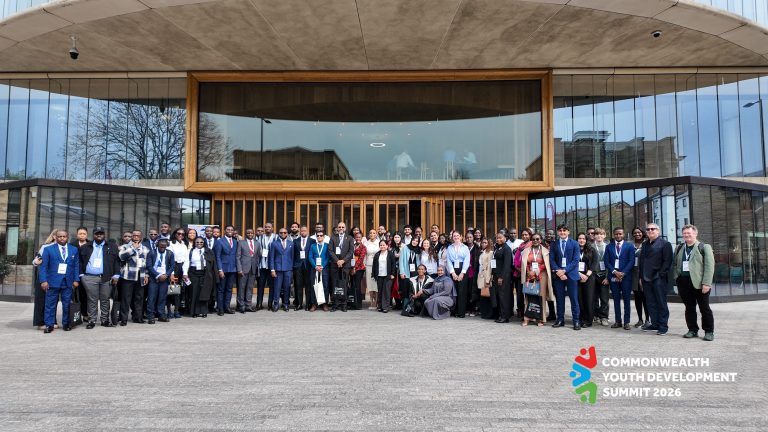

More than 60% of the Commonwealth’s 2.5 billion citizens are aged 29 or under, representing over 1.5 billion young people. For a sustainable Commonwealth, this population must be meaningfully engaged at both local and regional levels, as they are not only future leaders but also active contributors to community development today. However, several challenges hinder meaningful youth participation. These include informal and ineffective mechanisms and approaches used to involve young people in decision-making and development activities.
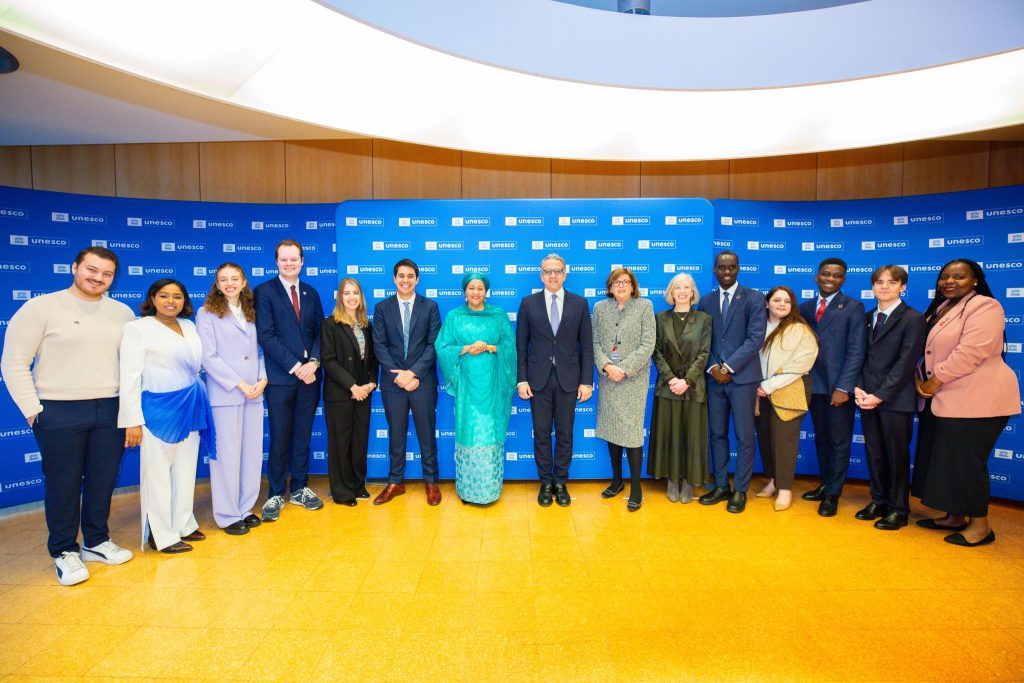
At the celebration of International Education Day, held at UNESCO Headquarters in Paris, the chairperson of Commonwealth Youth Council, Joshua Opey, shared key insights on how young can be fully harnessed, reflecting the findings of the GEM Report.
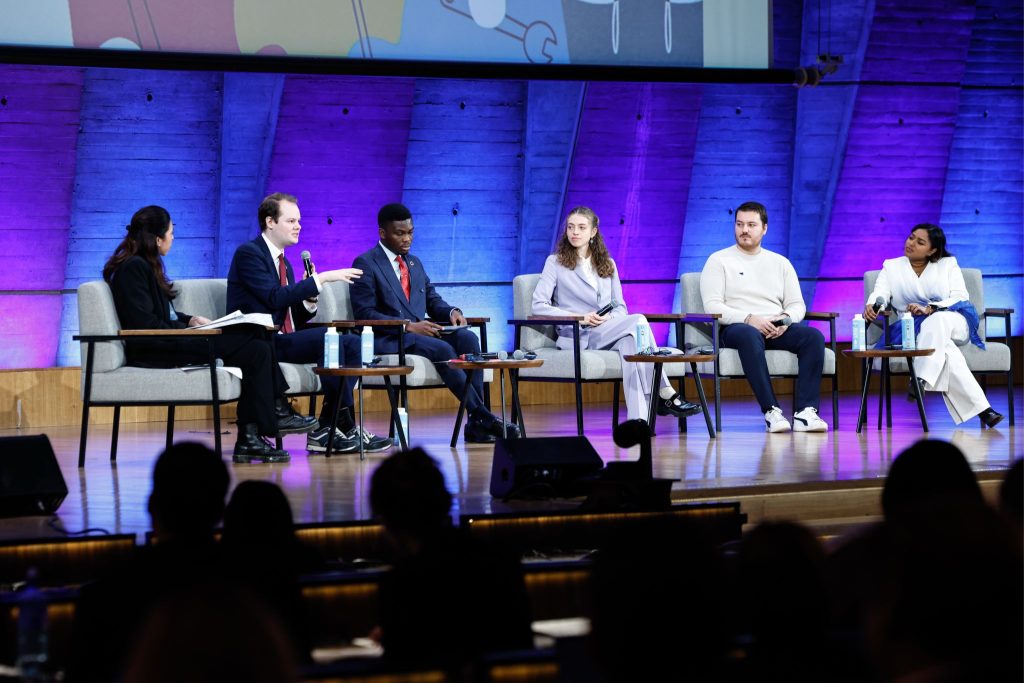
The first step would be formalizing youth engagement mechanisms. “I think formal mechanisms are essential because if something is not formalized, it is up to goodwill. And goodwill is not guaranteed. The only thing that is guaranteed is what we have on paper, agreed, and all of us endorse and sign up to. That’s the only thing we can hold you accountable for. So governments that definitely want to say that they are meaningfully engaging young people would be government systems that actually have formalized processes.” Joshua said.
Speaking from experience, Joshua shared “When I was at the National Union of Ghana Students, we had access to boards, but because those processes were not necessarily formalised, we could not hold anyone accountable on why we were not on those government boards again.”
“Meaningful youth engagement is often seen as just involving youth in the design process, but it’s essential that we include young people in the implementation process” Joshua said. This would not only benefit the youth but also benefit the society, as youths account for the bigger part of the population, and are contributing to the development of the community. Sighting an example to this, he said, “For instance, UNICEF has this global volunteer initiative. When we get young people to actually serve as volunteers in implementing education policies, it means that we are giving them the entry role for these young people to actually have the experience in the education space. Because a lot of organizations, before they recruit young people, they expect some level of experience… If you have young people volunteering, you are giving them the opportunity to have that experience whilst also driving the acceleration because you have 60-70% of your population supporting the implementation of your education policy.”
To achieve meaningful participation of young people, governments and institutions should consider the approach through which they involve young people. “When involving young people in their space, you need to get approaches that are youth-friendly, that are able to also speak to the young people’s qualities and their abilities, and are able to harness them very well.” Chairperson, Commonwealth Youth Council. When proper approaches are not used, young people are labelled as inexperienced. “No young person is inexperienced. We are experienced in a way that you don’t understand. And so you must shape different spaces and different mechanisms to adapt and harness the effectiveness, strength and uniqueness of young people.” Joshua added.
Written by: Thierry TUYIZERE and Akalanze O. Christiana
Communications and Marketing Interns, Commonwealth Youth Council.